
What is Body Sculpting
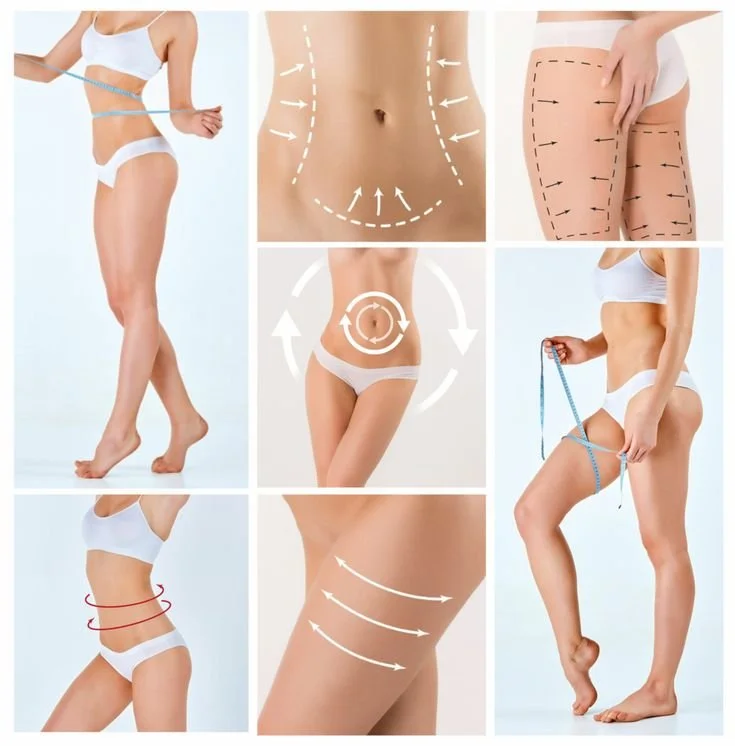
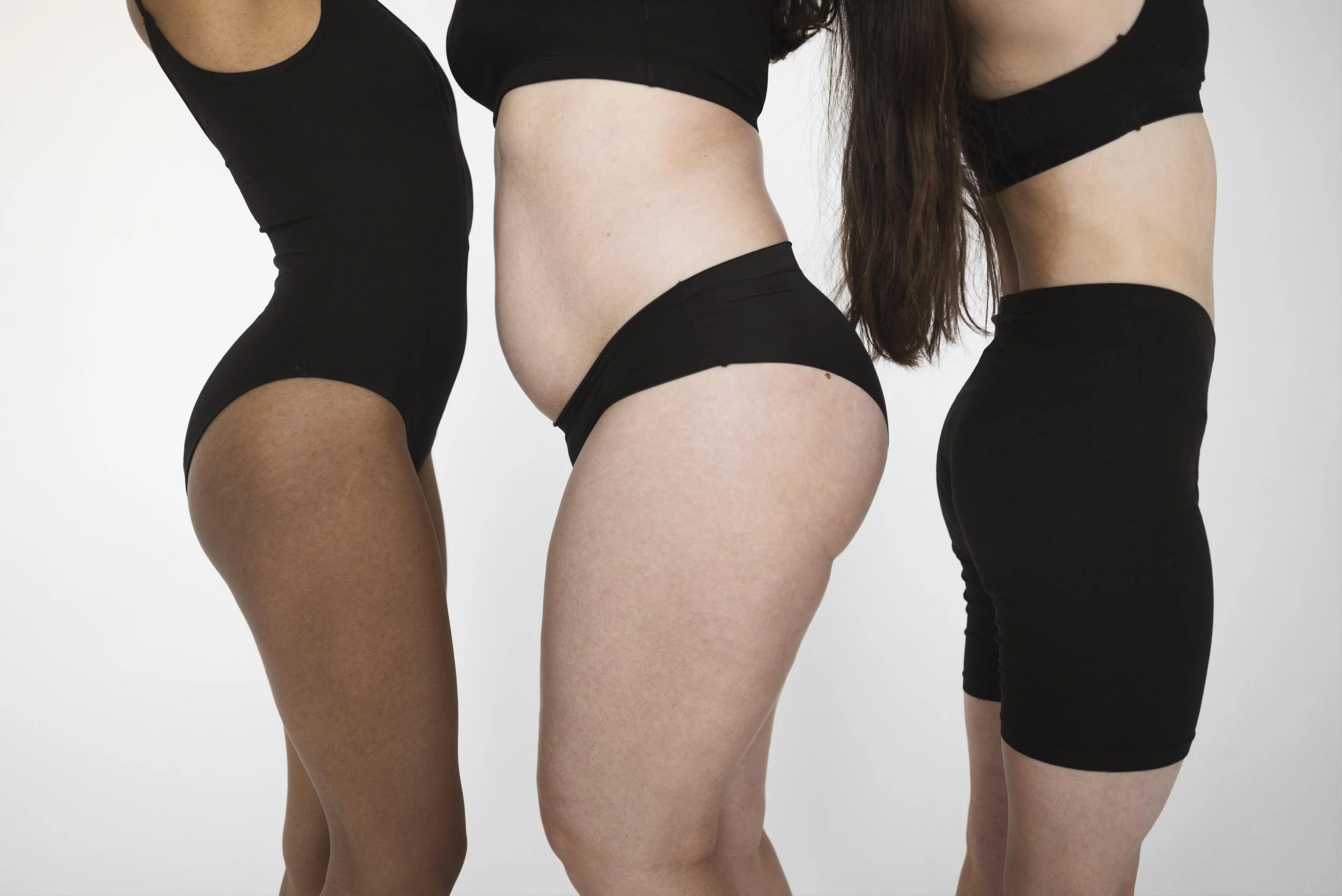
Body contouring, or body sculpting, means treatments that reshape and improve your body’s curves. These include surgical options such as liposuction and tummy tucks, as well as non‑surgical methods like fat cavitation, RF skin tightening, vacuum therapy and laser lipolysis — the non‑surgical options we offer at V&K Body Sculpting Studio.
Non‑surgical treatments don’t require an operating theatre or lengthy recovery, which makes them popular for clients who want a noticeable body boost without going under the knife. They are usually safe, cause little pain, and have few side effects. Results are natural and gradual rather than sudden or dramatic.
At V&K, body sculpting is the practice of refining your natural shape using advanced, non‑invasive technologies delivered by our certified, trained technicians. We focus on safe, comfortable treatments that reduce stubborn fat, tighten skin and improve body contours. Our approach is subtle and personalised so results look natural and suit your lifestyle. If you want to tone specific areas, reduce stubborn fat, or smooth skin texture, non‑surgical body sculpting can help you reach your goals..
The Lymphatic System — Why It Matters
What it does: The lymphatic system drains excess fluid, waste and the by‑products of broken‑down fat from tissues.
Why it matters for sculpting: When treatments disrupt fat cells or move fluid, the lymphatic system carries these away so results become visible. Supporting lymphatic flow speeds recovery and reduces swelling.
How we support it: We recommend hydration, light movement, and optional manual lymphatic massage or pressotherapy. Lymphatic work should be done by trained technicians; improper techniques can be harmful.
Are results permanent? Fat cells removed do not return, but weight gain can change outcomes. Maintenance and healthy habits are important.
How We Sculpt: Techniques Tailored to You
-
![]()
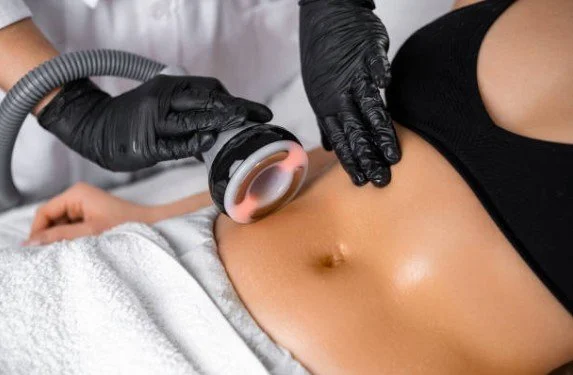
Ultrasound Cavitation (Fat Cavitation)
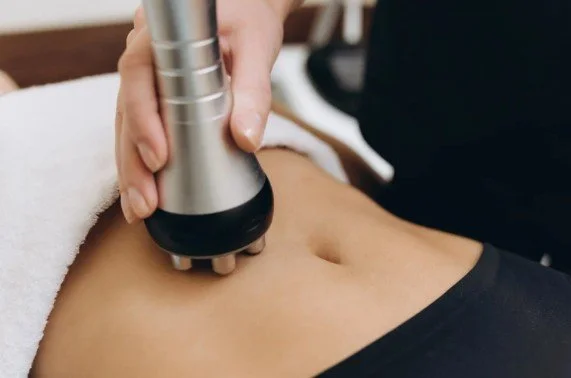
What it is: A non‑invasive ultrasound treatment that breaks down fat cells so your body can remove them naturally.
How it works: A handheld device emits low‑frequency ultrasound that creates tiny bubbles inside fat cells; when they burst, the fat is released and cleared by your lymphatic system.
Areas treated: Abdomen, love handles, thighs, arms, bra bulge.
Sensation & downtime: Mild warming or vibration; little to no downtime.
Sessions: Usually 6–10 sessions spaced 1–2 weeks apart; results appear over several weeks
Best for: People close to their ideal weight with stubborn pockets that resist diet and exercise.
Aftercare: Drink plenty of water, stay lightly active, and consider lymphatic support (massage or pressotherapy).
-
![]()
RF Skin Tightening
What it is: A non‑surgical treatment that uses safe radiofrequency (RF) heat to help skin feel firmer and look smoother.
How it works: RF energy heats the deeper layers of the skin, producing an immediate tightening effect and encouraging gradual improvement over weeks.
Areas treated: Face, neck, jawline, décolletage, arms, abdomen, thighs.
Sensation & downtime: Comfortable warmth during treatment; no downtime.
Sessions: Often a course of 6-10 treatments with progressive tightening over 1–3 months.
Best for: Mild-to-moderate skin laxity or preventative skin-firming.
Aftercare: Gentle skincare, sun protection; no special recovery required.
-
![]()
Vacuum Therapy
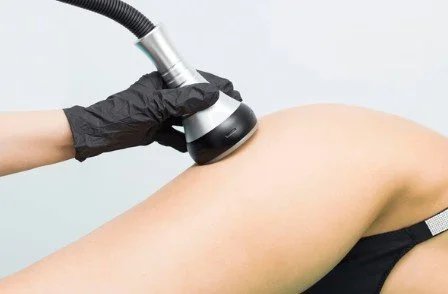
What it is: Suction plus massage that lifts tissue, improves circulation and supports lymphatic drainage.
How it works: Suction cups or an applicator create a gentle vacuum that stimulates blood flow and movement of fluid toward lymphatic pathways.
Areas treated: Buttocks (popular for lift), thighs, hips, sometimes abdomen.
Sensation & downtime: Rolling or pulsing suction; usually relaxing with immediate return to normal activities.
Sessions: Used in packages; visible improvements after a few sessions.
Best for: Non‑surgical lifting, improving tone, reducing fluid retention.
Aftercare: Hydrate, move gently, follow maintenance schedule as advised.
-
![]()
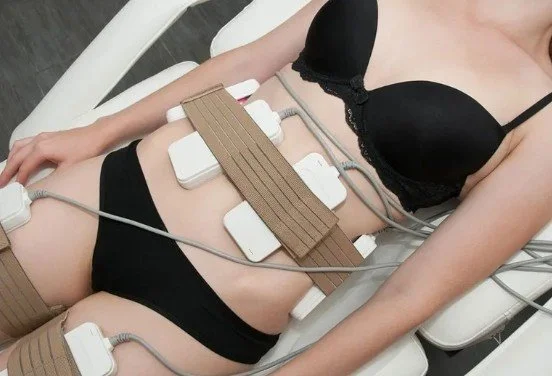
Laser Lipolysis (Laser Lipo)
What it is: Low‑level laser energy targets small pockets of fat and encourages mild skin tightening. Delivered with non‑invasive surface pads, it’s gentler than fat cavitation and typically requires more sessions for visible results.
How it works: Laser energy warms fat cells so they release stored contents; the body clears these through the lymphatic system. Some systems also stimulate mild skin tightening.
Formats:
Surface laser pads: flat pads placed on the skin (20–40 minutes); no anaesthetic or downtime.
Minimally invasive laser‑assisted options: tiny fibre under local anaesthetic; stronger results but short recovery.
Areas treated: Love handles, inner/outer thighs, abdomen, arms..
Sensation & downtime: Surface pads feel warm and are usually painless.
Sessions: Non‑invasive pads often need 6–12 sessions.
Best for: Small to moderate pockets of fat and clients seeking targeted contouring with minimal downtime.
Aftercare: Hydration, gentle activity, and follow any compression or wound‑care advice for invasive options.
-
![]()
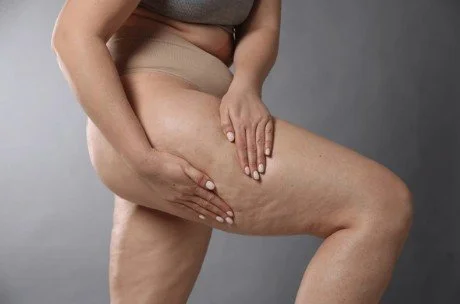
Cellulite Reduction
What it is: Multi‑step programmes that reduce the appearance of dimpling using RF, ultrasound, vacuum..
How it works: Treatments target the causes of cellulite — fluid buildup, poor circulation and fibrous bands — to smooth skin and improve tone.
Areas treated: Thighs, buttocks, hips..
Sensation & downtime: Mild warmth, pressure or pulses depending on the device; minimal downtime.
Sessions: Multiple sessions over 6–12 weeks; ongoing maintenance recommended.
Best for: Anyone concerned by cellulite who wants gradual, natural improvement.
Aftercare: Hydration, targeted exercise and collagen‑supporting nutrition help maintain results.
Aftercare & Tips to Maximise Results
Drink extra water for 48 hours after treatment.
Keep gently active (short walks, light movement) to support lymphatic drainage.
Consider lymphatic massage or pressotherapy if recommended.
Maintain a balanced diet and regular exercise to preserve results.
Follow any specific clinician guidance for compression garments or wound care.
FAQs
-
Body Contouring vs. Liposuction
Both non-invasive body contouring and surgical liposuction are designed to improve body shape, but they differ in approach and recovery.
Surgical Liposuction: An invasive procedure performed under general anesthesia. It involves small incisions and a suction device to remove larger volumes of fat in a single session. Recovery is longer, and risks are higher compared to non-invasive options.
Non-Invasive Body Contouring: Uses advanced technologies such as fat cavitation or RF skin tightening to break down fat cells and refine targeted areas — without incisions or anesthesia. Results are gradual, natural-looking, and typically require multiple sessions.
While liposuction is suited for significant fat removal, non-invasive treatments are ideal for refining smaller areas with minimal downtime. The best choice depends on your goals, preferences, and medical history
-
Most treatments are comfortable. You may feel warmth, light vibration, or gentle suction — but no needles, no cutting, and no anaesthetic.
-
This depends on your goals and the treatment area. Most clients need a series of sessions (e.g., 6–12) for best results. Your technician will recommend a personalised plan during your consultation.
-
No — body sculpting is designed to reduce stubborn fat pockets, tighten skin, and improve contour. It’s not a substitute for weight loss and works best when paired with a healthy lifestyle.
-
No. Our non-invasive treatments allow you to return to normal activities immediately. Some clients may experience mild redness or swelling that fades quickly.
-
Some clients notice changes after a few sessions. Full results typically develop over 6–12 weeks as your body processes treated fat and builds new collagen.
-
Fat cells removed or disrupted don’t return, but remaining cells can expand with weight gain. Maintenance sessions and healthy habits help preserve your results.
-
We treat the abdomen, thighs, hips, arms, back, chin, and buttocks. Each treatment is tailored to your body and goals.
-
Body sculpting is ideal for people close to their goal weight who want to target specific areas. It’s not suitable during pregnancy or for certain medical conditions — we’ll assess this during your consultation.
-
Yes. Many clients benefit from combining fat reduction with skin tightening or cellulite smoothing. We’ll design a safe, effective plan just for you.
-
We recommend keeping well-hydrated, avoiding alcohol, and following the pre-treatment guidelines provided after your booking is confirmed.
-
Drink water, move gently, and follow any aftercare advice. For some treatments, lymphatic massage or compression may be recommended.
Contact us
Interested in working together? Fill out some info and we will be in touch shortly. We can’t wait to hear from you!